
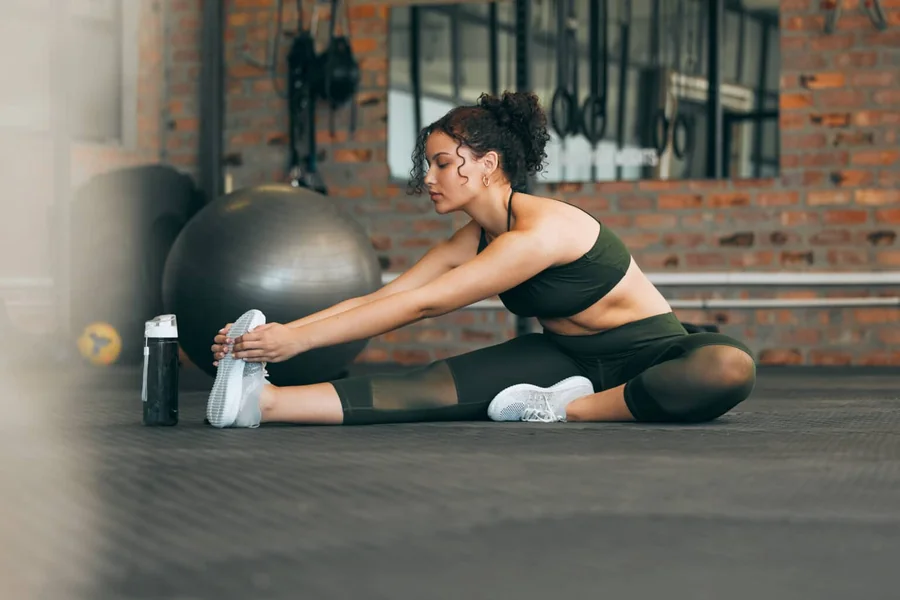
Starting a workout for beginners at home female routine can feel exciting and challenging at the same time. Many women want to become stronger improve their fitness or increase their energy but feel unsure about where to begin. The good news is that you do not need expensive gym memberships or advanced equipment to start your fitness journey. Your own home can become the perfect place to build healthy habits and improve your overall well-being.
Home workouts offer flexibility privacy and convenience. You can exercise whenever it fits your schedule and move at your own pace without feeling pressured by others. The most important step is creating a routine that matches your current fitness level and allows steady progress over time.
This guide explains how beginners can safely start exercising at home while building strength improving endurance and staying motivated.
Why Home Workouts Are Great for Beginners
Home workouts remove many of the barriers that prevent people from exercising regularly. You save travel time avoid crowded gyms and can work out in a comfortable environment.
For beginners this relaxed setting makes learning new movements much easier. There is no need to compare yourself with experienced athletes or worry about using unfamiliar equipment.
Home workouts are also budget friendly. Most beginner routines require only your body weight and enough floor space to move comfortably.
Another advantage is flexibility. You can complete a twenty minute session before work during lunch breaks or in the evening depending on your daily schedule.
Consistency matters much more than long workouts. Even short exercise sessions performed several times each week can produce noticeable improvements.
Essential Warm Up Before Every Workout
Every workout should begin with a proper warm up. Preparing your muscles and joints reduces injury risk and improves overall performance.
Start with gentle marching in place for two or three minutes. This gradually raises your heart rate and increases blood flow.
Continue with shoulder rolls arm circles hip rotations and ankle circles to loosen major joints.
Add light bodyweight movements such as shallow squats gentle lunges and controlled leg swings.
Finish your warm up with a few deep breaths while standing tall. Your body should feel warm and ready for exercise without becoming tired.
Taking five to ten minutes for warming up helps your workout feel smoother and safer.
Beginner Home Exercises for Women
Bodyweight exercises are ideal for beginners because they build strength without requiring equipment.
Squats strengthen your legs hips and glutes. Stand with your feet about shoulder width apart and lower yourself as though sitting into a chair before returning to standing.
Wall push-ups help develop upper body strength. Place your hands against a wall and slowly lower your chest before pushing back to the starting position.
Glute bridges target your hips and lower back. Lie on your back with knees bent and lift your hips while squeezing your glutes at the top.
Bird dogs improve balance and core stability. From a hands and knees position extend one arm and the opposite leg before returning and switching sides.
Standing knee raises activate your abdominal muscles while improving coordination.
Modified planks strengthen your core shoulders and back. Hold the position while maintaining steady breathing and proper posture.
Walking in place or stepping side to side between exercises helps keep your heart rate elevated.
A Simple Weekly Workout Routine
Creating a structured weekly plan makes it easier to stay consistent.
On Monday perform a full body workout using squats wall push-ups glute bridges bird dogs and marching in place.
Tuesday can focus on gentle walking stretching or yoga to allow your muscles to recover while remaining active.
Wednesday repeat your strength workout while adding one or two additional repetitions if you feel comfortable.
Thursday is another active recovery day with stretching light walking or mobility exercises.
Friday complete another full body workout while concentrating on proper technique rather than speed.
Saturday is perfect for enjoyable activities such as dancing cycling or a longer walk.
Sunday should be a full rest day so your body can recover and prepare for the following week.
This balanced routine helps beginners develop strength without overwhelming their bodies.
Nutrition and Hydration for Better Results
Exercise works best when combined with healthy eating habits.
Drink water throughout the day and stay hydrated before during and after workouts.
Include lean protein sources such as eggs fish chicken beans or yogurt to support muscle recovery.
Choose whole grains fruits vegetables and healthy fats to provide steady energy.
Avoid skipping meals because your body needs fuel for exercise and recovery.
Eating a balanced snack after workouts can help restore energy and support muscle repair.
Healthy nutrition and regular exercise work together to improve both fitness and overall health.
Tips to Stay Motivated
Motivation naturally changes over time so building consistent habits is more important than relying on enthusiasm alone.
Set realistic goals that focus on progress instead of perfection. Celebrate completing workouts rather than expecting immediate physical changes.
Track your sessions in a notebook or fitness app. Seeing your consistency grow can be very encouraging.
Wear comfortable workout clothing that allows free movement and helps you feel confident.
Play your favorite music or exercise videos to make workouts more enjoyable.
Invite a friend or family member to join your routine if possible. Exercising together often increases accountability.
Remember that every workout completed brings you one step closer to your fitness goals.
Common Beginner Mistakes to Avoid
One of the biggest mistakes is trying to do too much too quickly. Starting with difficult workouts may increase soreness and reduce motivation.
Skipping warm ups and cool downs also increases the risk of discomfort and injury.
Poor exercise technique can limit results and place unnecessary stress on joints. Focus on quality movement before increasing repetitions.
Comparing yourself with others may lead to frustration. Everyone progresses at a different pace depending on experience and fitness level.
Ignoring rest days is another common mistake. Recovery allows muscles to repair and become stronger.
Finally remember that visible results take time. Consistent effort over several weeks and months produces the best long-term improvements.
Final Thought
Beginning a workout for beginners at home female routine is one of the best investments you can make for your health. You do not need expensive equipment complicated exercises or long workout sessions to start seeing progress.
By focusing on simple bodyweight movements proper form regular practice and healthy eating habits you can steadily build strength improve endurance and increase confidence. The key is remaining patient and consistent while enjoying each small improvement along the way.
Fitness is a lifelong journey and every workout completed at home brings you closer to a healthier stronger and more active lifestyle.
FAQs
How often should beginners work out at home?
Most beginners benefit from exercising three to four times each week while including recovery days between strength workouts.
Do I need equipment for home workouts?
No. Many beginner exercises use only your body weight. Resistance bands or light dumbbells can be added later if desired.
How long should each workout last?
A beginner workout lasting twenty to thirty minutes is usually enough to improve fitness while avoiding excessive fatigue.
Can home workouts help with weight loss?
Yes. Regular exercise combined with balanced nutrition can support healthy weight management over time.
What should I eat before exercising?
Choose a light meal or snack containing carbohydrates and some protein about one to two hours before your workout.
Is it normal to feel sore after starting?
Mild muscle soreness is common when beginning a new exercise routine. It usually improves as your body adapts.
How long does it take to see results?
Many beginners notice increased energy improved strength and better endurance within a few weeks of exercising consistently. Visible physical changes usually require more time along with healthy eating habits.

Harlod is blogger, creative writer, and SEO specialist dedicated to crafting engaging content. With a passion for storytelling and digital growth, he combines creativity and strategy to help brands connect with audiences.