
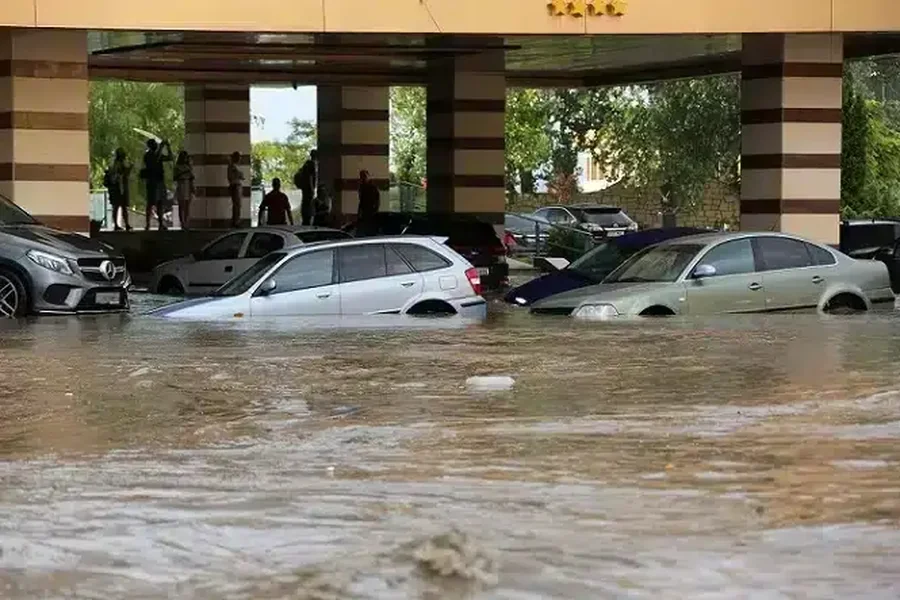
When a storm rolls through your area, your property faces exposure to forces that can cause significant damage in a matter of hours. High winds, heavy rainfall, hail, and extreme temperatures can all leave lasting marks on your home or building. Understanding how severe weather impacts structures helps you prepare defenses and know what to expect after dangerous conditions pass. Property owners who recognize these vulnerabilities can take meaningful steps to reduce risk. The range of potential damage spans from minor cosmetic issues to structural compromise that threatens the safety and long-term value of your investment.
Wind Damage and Structural Compromise
High winds represent one of the most common severe weather threats to properties across the country. Strong gusts can lift roof shingles, bend gutters, and tear away entire sections of roofing material, often within minutes of a storm’s peak intensity. When wind speeds exceed certain thresholds, windows and glass doors become vulnerable to breakage, either from direct pressure or from flying debris carried through the air. Beyond the roof and windows, wind can topple trees and strip siding, creating openings where water infiltration becomes a serious secondary concern. Structural damage from wind often cascades, as compromised roofs and walls allow rain and moisture to penetrate interior spaces, leading to mold growth and wood rot that may not become visible until months later. Addressing wind damage quickly reduces the likelihood that one compromised component will accelerate damage to others throughout the structure.
Water Damage From Heavy Rain and Flooding
Severe rainfall and flooding pose distinct threats that extend well beyond surface moisture. When precipitation falls at intense rates, drainage systems become overwhelmed, causing water to accumulate on roofs, around foundations, and in basements or crawl spaces. Even small cracks in your foundation can allow water to seep into lower levels, damaging stored belongings, electrical systems, and structural components. Flood water also carries contaminants and sediment that can compromise building materials, weaken concrete and masonry, and destroy the insulation values of walls and attics. The longer water remains in contact with wooden framing, drywall, and other porous materials, the greater the risk of permanent damage and the growth of mold colonies that pose serious health concerns. Commercial property owners dealing with extensive flood intrusion often turn to a reputable commercial water damage restoration company in South Florida to address water extraction, structural drying, and contamination remediation before permanent damage sets in. Even minor flooding can result in thousands of dollars in damage, underscoring the value of timely professional intervention.
Hail, Ice, and Extreme Temperature Effects
Hail strikes can puncture roofing materials, dent metal surfaces such as gutters and downspouts, and crack skylights or glass fixtures throughout a structure. Hailstones vary widely in size, and larger stones can shatter windows and damage siding materials that have become brittle from age or prolonged sun exposure. Ice accumulation presents a different but equally serious challenge, adding significant weight to roofs, tree branches, and power lines during winter storms. When ice builds up along roof edges, it can trap water beneath shingles in what is known as an ice dam, forcing moisture under the roofing material and into attic spaces where it contacts insulation and wood framing. Extreme temperatures, whether unusually cold or hot, can also cause expansion and contraction of materials such as metal, wood, and concrete, producing gaps, warping, and stress fractures that compromise structural integrity over time.
Foundation and Landscaping Vulnerability
Your property’s foundation and surrounding landscape absorb tremendous stress during severe weather events. Prolonged rainfall saturates soil around the foundation, increasing hydrostatic pressure that pushes against basement walls and can cause cracks or inward bowing that worsen with each subsequent storm. Tree roots near foundations can be exposed or destabilized by erosion, and large trees themselves may topple, striking the structure directly or compressing soil that then settles unevenly beneath the foundation slab. Eroded soil and debris accumulation around the perimeter gradually reduce the protective barrier that should exist between your foundation and standing water, making future storm events more damaging than the last. Landscaping features such as decks, sheds, and fencing also suffer from wind, water, and ice exposure, increasing maintenance costs and creating additional entry points for moisture and pests to access your main structure. Regularly inspecting and regrading the soil around your foundation, along with maintaining healthy drainage channels, can meaningfully reduce the cumulative damage that repeated severe weather events cause over the life of a property.
Conclusion
Severe weather brings multiple pathways for property damage, ranging from obvious destruction visible immediately after a storm to hidden deterioration that develops over weeks or months. Wind tears at exterior surfaces and roofing, while water infiltration creates conditions for mold growth and structural decay. Hail and ice add weight, create punctures, and force moisture into spaces that are difficult to inspect without professional assessment. Your foundation and landscaping face their own vulnerabilities as soil erosion and moisture accumulation gradually undermine stability. By recognizing these risks, you can prioritize maintenance, invest in protective upgrades, and respond quickly when damage occurs, ultimately preserving the safety and long-term value of your property.

Harlod is blogger, creative writer, and SEO specialist dedicated to crafting engaging content. With a passion for storytelling and digital growth, he combines creativity and strategy to help brands connect with audiences.