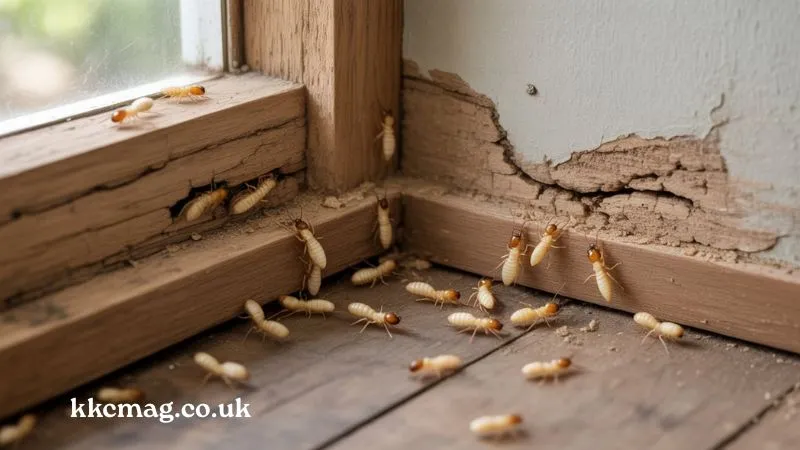
Termites are among the most destructive household pests. They can silently eat through wood, flooring, and even wallpaper, causing thousands of dollars in structural damage before you even notice them. If you’ve discovered termite activity in your home, you need to act fast — but professional extermination can be expensive.
The good news? Some home remedies can kill termites and slow infestations before they get out of control. While DIY solutions aren’t a complete replacement for professional help, they can protect your home and buy you time.
Here’s a detailed guide on what kills termites naturally and how to use home remedies safely and effectively
Understanding Termites: Why They’re So Hard to Kill
Before you reach for a spray bottle or powder, it helps to understand how termites operate.
- Termite colonies are highly organized. A queen can lay thousands of eggs per day.
- Workers do all the damage, feeding on cellulose (the main component of wood and paper).
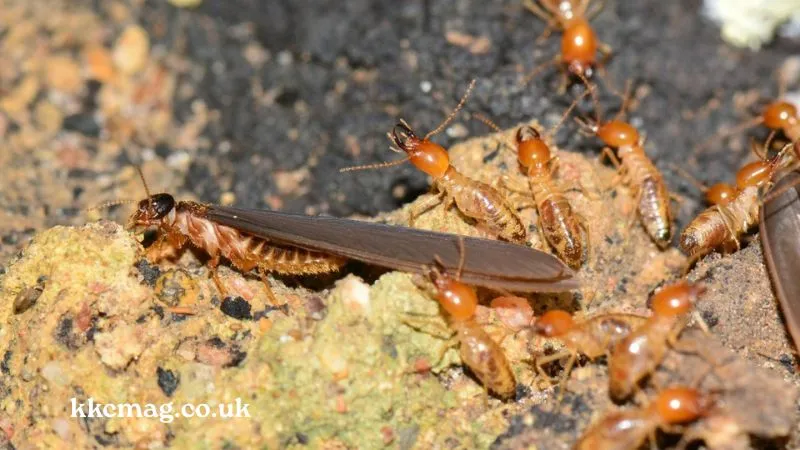
- Soldiers defend the colony, while reproductives establish new colonies elsewhere.
Killing visible termites isn’t enough — you have to eliminate the colony or cut off its food source. That’s where the following remedies come in.
Borax (Sodium Borate): The Most Reliable DIY Termite Killer
Borax is one of the most effective natural termite killers you can use at home. It dehydrates termites and shuts down their digestive systems, killing them slowly but surely.
How to use it:
- Mix equal parts borax powder and sugar (the sugar lures termites).
- Sprinkle the mixture near mud tubes, infested wood, or suspected entry points.
- For deeper reach, dissolve borax in hot water and spray directly on termite-infested areas.
Why it works:
Termites consume the mixture and spread it within their colony. Over time, this can weaken or kill off entire groups.
Pro tip: Reapply every few days for sustained effectiveness.
Diatomaceous Earth (DE): A Natural, Safe Powder

Diatomaceous earth is a fine, powdery substance made from fossilized algae. It’s non-toxic to humans and pets but lethal to termites.
How to use it:
- Sprinkle DE in areas where termites travel — cracks, crevices, along walls, or under furniture.
- Apply it around wooden beams, foundations, or crawl spaces.
- Keep it dry, as moisture reduces its effect.
Why it works:
DE kills by mechanical action, not chemicals. Its microscopic edges pierce termites’ exoskeletons, causing them to dehydrate and die.
Orange Oil: A Natural Termite Insecticide
Orange oil, extracted from orange peels, contains d-limonene, a compound proven to kill termites on contact.
How to use it:
- Drill small holes in termite-infested wood about every 6 inches.
- Inject orange oil into the holes or spray it directly onto visible termites.
- Repeat daily for best results.
Why it works:
The d-limonene dissolves the termites’ exoskeletons and eggs. It’s especially effective against drywood termites that live inside furniture or wooden frames.
Caution:
Orange oil can irritate skin and is flammable, so use gloves and keep away from open flames.
Vinegar and Lemon Juice: Easy Spot Treatment
This simple household mix can kill termites on contact.
How to use it:
- Mix ½ cup of white vinegar with ½ cup of lemon juice in a spray bottle.
- Spray directly on termite trails, damaged wood, or entry points.
Why it works:
The acidity burns termites’ outer layers and disrupts their activity. However, this is a surface-level solution — it won’t reach colonies inside walls or foundations.
Essential Oils: Natural Repellents and Killers
Some essential oils are known to disrupt insect hormones, making them useful for termite control.
Best oils for termites:
- Neem oil: Interferes with termites’ reproductive systems.
- Clove oil: Acts as a contact poison.
- Tea tree oil: Breaks down termite membranes.
How to use it:
- Mix 10–15 drops of essential oil with a cup of water.
- Add a few drops of dish soap (helps it stick to surfaces).
- Spray around wooden structures, furniture, or baseboards.
Why it works:
The scent and chemical properties deter termites while killing those that make contact.
Sunlight and Heat: Nature’s Termite Killer
Termites thrive in dark, damp environments. Direct sunlight or extreme heat kills them quickly.
How to use it:
- Move infested furniture outside for 4–6 hours of sunlight.
- For inaccessible areas, use space heaters or heat guns (keep above 120°F).
Why it works:
Prolonged heat exposure dehydrates and kills termites, including eggs and larvae.
Note:
Don’t use open flames — it’s dangerous and can damage property.
Cardboard Trap: Simple Monitoring Tool
A cardboard trap can help you detect and reduce termite numbers.
How to use it:
- Wet two or three pieces of cardboard.
- Stack them near suspected termite activity.
- Wait a few days — termites will be drawn to the cellulose.
- Remove and burn the cardboard.
Why it works:
It attracts termites but won’t kill the colony. Use it to monitor or confirm an infestation before applying stronger treatments.
Salt and Warm Water: A Cheap Deterrent
Though not a guaranteed killer, salt can help in minor cases.
How to use it:
- Mix equal parts salt and warm water.
- Inject the solution into termite holes or mud tubes using a syringe.
Why it works:
Salt dehydrates termites and creates an inhospitable environment.
What Doesn’t Work
There are many myths about termite control. Here’s what doesn’t help much:
- Bleach: Kills on contact but doesn’t penetrate wood or reach colonies.
- Kerosene or gasoline: Dangerous, flammable, and ineffective long-term.
- Ultrasonic devices: No credible scientific proof they repel termites.
- Soapy water alone: Can kill some termites but won’t stop an infestation.
Preventing Termites After Treatment
Killing termites is one step. Preventing them from coming back is just as important.
Tips for long-term protection:
- Keep wood and soil separate around your foundation.
- Fix leaky pipes and reduce moisture in basements or crawl spaces.
- Store firewood and wooden furniture away from walls.
- Seal cracks, crevices, and entry points.
- Treat wood with borate-based products as a preventive measure.
When to Call a Professional
If you see:
- Mud tubes across walls or foundations
- Widespread wood damage
- Termite droppings or discarded wings
- Hollow-sounding wood across large areas
…it’s time to call a licensed pest control expert.
Professionals use termite baits, liquid termiticides, or heat/fumigation treatments that reach colonies deep inside walls and foundations — something home remedies simply can’t do at scale.
Frequently Asked Questions (FAQ)
What instantly kills termites?
Borax and orange oil can kill termites on contact. Heat above 120°F can also kill them instantly by dehydrating their bodies and destroying their internal systems.
Can vinegar kill termites completely?
No. Vinegar only kills surface termites it comes into contact with. It doesn’t penetrate deep enough to reach the hidden colony inside walls or wood.
What natural smell keeps termites away?
Strong scents like clove oil, neem oil, and tea tree oil repel termites naturally. These oils disrupt termite hormones and make treated wood unappealing to them.
How do I know if termites are gone?
Inspect for mud tubes, wood dust, discarded wings, or fresh wood damage. If you continue to see signs of activity or hollow-sounding wood, termites are still present and professional treatment is recommended.
Final Thoughts
Home remedies like borax, diatomaceous earth, and orange oil can kill termites and slow infestations, especially in early stages. They’re affordable, natural, and safer alternatives to harsh chemicals.
However, they’re not a permanent fix. Termites multiply fast and can rebuild colonies within weeks. Use these methods as an immediate response — but plan for professional treatment if you suspect a serious infestation.
Protecting your home means staying proactive. Early detection, proper moisture control, and regular maintenance are your best defense against these silent destroyers.
Read More About Home Care Tips at kkcmag.co.uk

Harlod is blogger, creative writer, and SEO specialist dedicated to crafting engaging content. With a passion for storytelling and digital growth, he combines creativity and strategy to help brands connect with audiences.