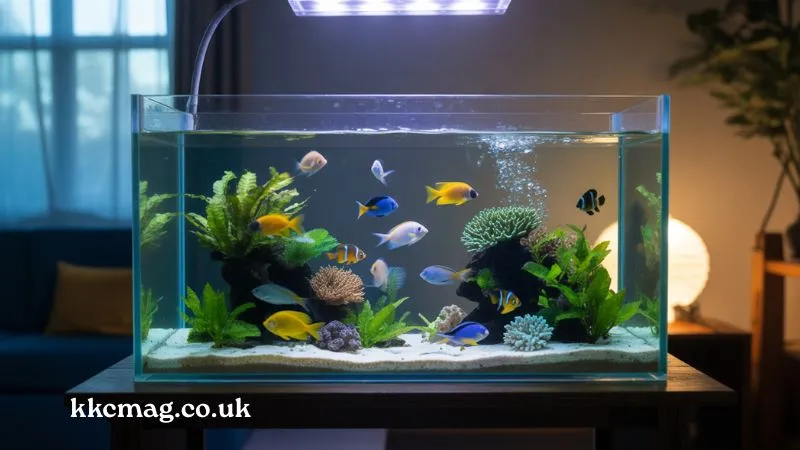
Decorating your aquarium is one of the most satisfying parts of fishkeeping. It’s where creativity meets care — where your imagination shapes a living world beneath the surface. But choosing the right ornaments for your fish tank isn’t just about looks. It’s about creating a safe, balanced, and healthy environment for your fish to live, hide, and explore.
A well-decorated tank can reduce stress for your fish, promote natural behaviors, and make maintenance easier. A poorly chosen ornament can leach harmful chemicals, trap dirt, or even injure your fish. So before you start shopping for castles, caves, or colorful figurines, it’s worth learning how to pick ornaments that are safe, functional, and stylish.
1. Why Aquarium Ornaments Matter
At first glance, tank ornaments seem purely decorative — fun pieces that make your aquarium look appealing. But their real purpose goes deeper.
For fish, ornaments provide:
- Shelter and security: Many fish feel exposed in open spaces. Caves, driftwood, and plants give them places to rest or retreat.
- Territorial boundaries: In community tanks, ornaments help reduce aggression by giving fish visual barriers.
- Exploration and enrichment: Fish enjoy exploring their environment. New structures keep them mentally stimulated.
- Natural behavior: Some fish need surfaces to graze on, hide under, or lay eggs. The right ornament can encourage these instincts.
In short, good ornaments don’t just decorate your aquarium — they shape how your fish live inside it.
2. The Golden Rule: Safety First
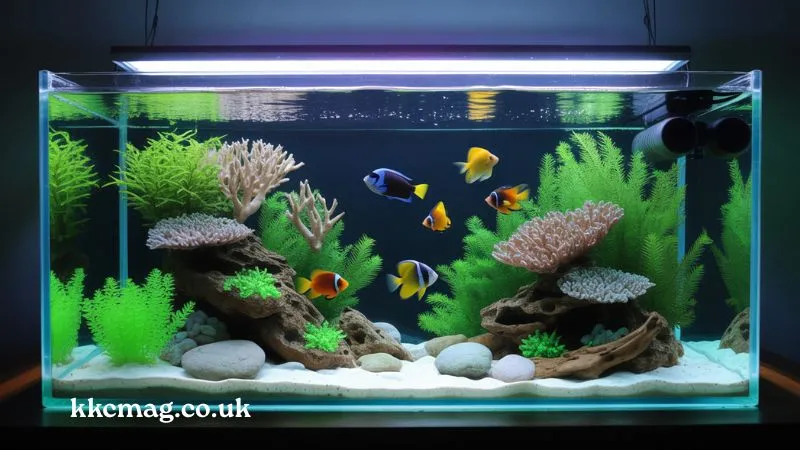
No matter how beautiful an ornament looks, it’s not worth it if it’s unsafe. Fish are sensitive creatures. They react to toxins, sharp edges, and changes in water chemistry more severely than most people realize.
Here’s what to check before placing anything in your tank:
a. Choose Aquarium-Safe Materials
Only use decorations labeled “aquarium-safe” or sold specifically for fish tanks. Safe materials include:
- Resin or ceramic: Non-toxic, sealed, and designed to resist water damage.
- Glass: Smooth, inert, and easy to clean.
- Natural stones: Like slate, granite, or lava rock (avoid limestone in freshwater setups as it raises pH).
- Treated driftwood: Adds a natural look, but make sure it’s properly cured to avoid discoloring water.
- Plastic ornaments: Only if specifically marked as safe for aquariums.
Avoid:
- Painted household items (paint can chip and poison your tank)
- Metal objects (they corrode and release toxic substances)
- Seashells and coral in freshwater tanks (they alter water chemistry)
- DIY décor with glues, dyes, or resins not rated for aquatic use
b. Watch for Sharp or Rough Edges
Run your hand along every surface before submerging it. If it feels rough or sharp, file it down or skip it altogether. Finned fish — especially bettas, angelfish, and guppies — are easily injured by jagged ornaments.
c. Rinse Before Placing
Even safe ornaments collect dust or residue. Rinse them with warm (not hot) water only. Never use soap or detergent — these are toxic to fish even in trace amounts.
3. Match the Decor to Your Fish’s Needs
Every fish species behaves differently, and your choice of ornaments should reflect that. Think of it as designing a custom home for your aquatic residents.
a. For Shy or Nocturnal Fish
Species like catfish, plecos, loaches, and some cichlids prefer shaded, covered areas. Provide:
- Ceramic caves or tubes
- Driftwood with crevices
- Dense plant clusters
These give them a place to retreat when they feel stressed or threatened.
b. For Territorial Fish
Some fish guard areas aggressively — especially cichlids and bettas. To prevent conflict:
- Break sight lines using rock formations or tall ornaments
- Give each fish distinct boundaries
- Avoid one large cave — multiple smaller shelters work better
c. For Active Swimmers
Species like tetras, danios, and barbs love open space. Use ornaments sparingly to leave plenty of room for swimming. Focus on:
- Background or corner pieces
- Low-profile decorations
- Floating plants for surface activity
d. For Bottom-Dwellers
Corydoras, shrimp, and snails thrive with:
- Smooth gravel or sand substrates
- Flat stones or wood for resting
- Caves or tunnels to explore
When in doubt, research your fish’s natural habitat and recreate that look in your aquarium.
4. Designing for Style and Function
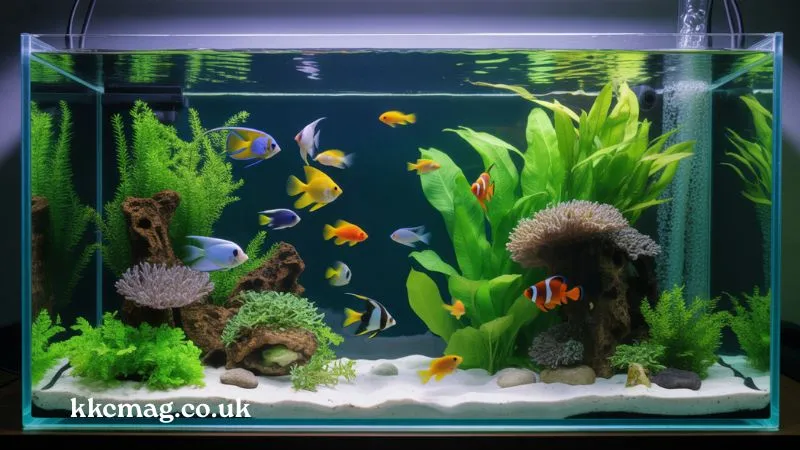
A stylish tank doesn’t mean stuffing it full of decor. It’s about balance, layering, and mood.
a. Balance the Layout
A good rule: leave two-thirds of the tank as open space. Group ornaments to one side or corner instead of scattering them randomly. This makes the tank feel more natural and visually pleasing.
b. Play with Height and Depth
Use taller decorations or plants in the back, medium-sized items in the middle, and small ones in the front. This creates a sense of depth — just like landscape photography.
c. Pick a Theme
Themes make your aquarium look cohesive:
- Natural riverbed: Driftwood, stones, and live plants.
- Fantasy castle: Stone towers, bridges, and treasure chests.
- Minimalist modern: Clean lines, neutral tones, and simple shapes.
- Playful or themed tanks: Cartoon-style figures or bright colors (as long as they’re aquarium-safe).
d. Keep Colors in Check
Bright colors can pop under aquarium lighting, but too much can stress fish. Stick to natural tones or use one or two bold accent pieces for contrast.
5. Maintenance: The Hidden Factor
Even the prettiest tank decor turns ugly fast if it’s hard to clean.
- Choose smooth surfaces that algae can’t cling to easily.
- Avoid ornaments with tiny holes or deep crevices that trap waste.
- When cleaning, use an aquarium brush and warm water — no soap.
- Every few weeks, remove and rinse your ornaments to prevent buildup.
If an ornament starts to discolor, develop cracks, or smell odd, replace it. It’s better to lose a decoration than risk your tank’s health.
6. Choosing Between Real and Artificial Décor
Both real and artificial decorations have their pros and cons.
Natural Decor:
✅ Enhances realism
✅ Benefits fish behavior
✅ Can help stabilize water chemistry (some woods and rocks)
❌ May require more maintenance
❌ Must be properly treated to avoid contamination
Artificial Decor:
✅ Low maintenance
✅ Wide variety of styles and colors
✅ Easy to clean
❌ Can look fake or harsh under lighting
❌ Poor-quality pieces may fade or degrade
Many aquarists mix both — artificial ornaments for structure and live plants for authenticity.
7. Quick Safety Checklist
Before you add anything to your aquarium, run through this simple list:
- ✅ Labeled aquarium-safe
- ✅ No sharp or rough edges
- ✅ Thoroughly rinsed in warm water
- ✅ Proper size for your tank and fish
- ✅ Doesn’t block filter flow or heater access
- ✅ Fits your fish’s behavior and habitat needs
It takes only a few minutes to check — but it can prevent serious tank problems later.
8. Expressing Your Personality
Your aquarium is more than a fish home — it’s a reflection of your personality. Maybe you love the serenity of a zen garden, the mystery of a sunken ship, or the clean symmetry of modern design. You can achieve all that while keeping fish health front and center.
Some creative but safe ideas:
- Nature-inspired tanks: Combine rock caves with live moss or Java fern.
- Themed tanks: Pirate ships, ancient ruins, or coral reefs (using safe replicas).
- Minimalist aquascapes: Simple stone arrangements with lush green plants.
The key is restraint — let each piece have purpose and space to shine.
9. Common Mistakes to Avoid
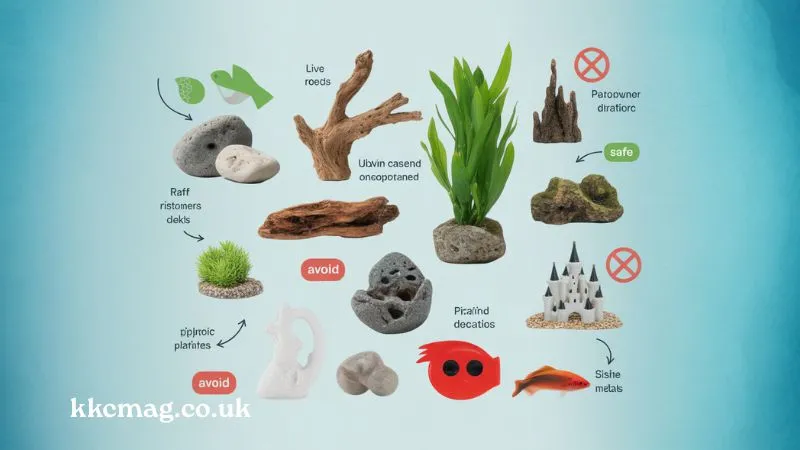
Even experienced aquarists slip up sometimes. Here are a few pitfalls to steer clear of:
- ❌ Using untreated wood or rocks from outdoors (they can introduce pests or chemicals)
- ❌ Placing ornaments too close to heaters or filters
- ❌ Overdecorating, leaving fish little swimming room
- ❌ Using metal-based paints or glues for DIY projects
- ❌ Ignoring the weight of large ornaments (they can crack glass if dropped)
A little caution upfront saves a lot of frustration later.
FAQs About Fish Tank Ornaments
Can I make my own fish tank ornaments at home?
Yes. Use only non-toxic, aquarium-safe materials like sealed ceramics or treated stones.
Do fish tank ornaments affect oxygen levels?
Only if they block water flow. Keep enough open space for good circulation.
How often should I replace fish tank ornaments?
Every 6–12 months or when they crack, fade, or collect stubborn algae.
Are glowing or LED ornaments safe for fish?
Yes, if they’re waterproof and made for aquariums. Avoid flashing or harsh lights.
Final Thoughts
Choosing safe and stylish ornaments for your fish tank is both an art and a science. It’s about understanding your fish’s needs, respecting their environment, and using design to create harmony. The best aquarium decor doesn’t scream for attention — it enhances the beauty of the fish and the serenity of the water.
More Décor and home improvement ideas. Visit kkcmag.co.uk

Harlod is blogger, creative writer, and SEO specialist dedicated to crafting engaging content. With a passion for storytelling and digital growth, he combines creativity and strategy to help brands connect with audiences.